
How Smart Home Technology Can Help Detect Problems Early from Advanced American Financial
Reliable insurance for you and your family
We're Here For You
How Smart Home Technology Can Help Detect Problems Early
Jul 7, 2026
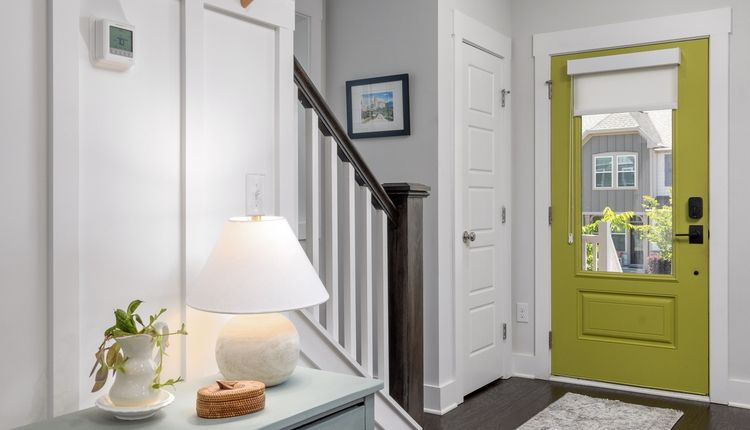
Smart home technology is often associated with security cameras and smart locks, but many of today's most useful devices are designed to help homeowners identify potential problems before they become major repairs.
From water leaks to temperature fluctuations, smart home tools can provide early warnings that allow homeowners to respond more quickly. While no technology can prevent every issue, these devices can offer greater visibility into what is happening around your property, whether you are at home or away.
Smart Water Leak Detectors
Water damage is one of the most common and costly issues homeowners face. Even a small leak can cause significant damage if it goes unnoticed for an extended period.
Smart water leak detectors are designed to monitor areas where leaks commonly occur, including around water heaters, washing machines, dishwashers, sinks, and sump pumps. If moisture is detected, many systems can send an alert directly to your smartphone, allowing you to investigate the issue before it worsens.
Automatic Water Shutoff Systems
Some smart home systems take water protection a step further by automatically shutting off a home's water supply when a significant leak is detected.
These systems can help reduce damage from burst pipes, appliance failures, and other plumbing issues. For homeowners who travel frequently or own seasonal properties, automatic shutoff technology can provide an added layer of protection.
Smart Smoke and Carbon Monoxide Detectors
Traditional smoke and carbon monoxide detectors play an important role in home safety, but smart versions can provide additional awareness when you are not at home.
Many smart detectors can send notifications directly to your mobile device if smoke or carbon monoxide is detected. This allows homeowners to stay informed and take action even when they are away from the property.
Smart Thermostats and Freeze Monitoring
Temperature-related issues can create unexpected property damage, especially during colder months. Frozen pipes can burst and lead to extensive water damage if problems are not identified quickly.
Smart thermostats allow homeowners to monitor indoor temperatures remotely and receive alerts if temperatures fall outside a designated range. This can be particularly helpful for vacation homes, rental properties, or homes left vacant for extended periods.
In addition to temperature monitoring, some smart home devices can track humidity levels, air quality, and other environmental conditions.
Technology and Insurance Working Together
Many smart home devices can work together through a single app or platform, making it easier to monitor multiple aspects of your property from one place. Homeowners can choose the devices that fit their needs and gradually build a system that provides greater visibility and convenience.
While smart home technology is not a substitute for insurance, it can help homeowners stay informed and respond quickly when problems arise. Contact us today to review your homeowner insurance coverage and discuss ways to help protect your property.
Get started now on a free, no-obligation
Homeowner Insurance Quote« All news
« Common Insurance Mistakes Young...
How to Protect Your Home During a... »
More articles related to…
Refer a friend to us

To show our appreciation for your referral, we’ll donate $10 to a local charity.




Home | About | Contact | Service | Privacy | Disclaimer
© 2026 Advanced American Financial LLC
208 S Colony St
Wallingford, CT 06492
We do not offer every plan available in your area. Any information we provide is limited to those plans we do offer in your area.
Please contact Medicare.gov or 1-800-MEDICARE to get information an all your options.